
If you often ask people to repeat themselves, struggle in background noise, or feel like you “hear but don’t understand,” it’s worth scheduling a hearing test. A professional evaluation is the fastest way to know if hearing aids (or another solution) will help.
Common signs include:
Trouble hearing speech in restaurants or groups
Turning the TV up louder than others prefer
Missing parts of conversations on the phone
Difficulty with children’s or higher-pitched voices
Feeling tired or stressed after conversations
Ringing/buzzing in the ears (tinnitus)
Yes — and it’s a classic sign of hearing loss, especially when background noise is present. Hearing loss often reduces speech clarity even when volume seems “okay.”
Seek urgent medical care for sudden hearing loss, severe ear pain, drainage, or sudden dizziness/vertigo.
Typically: history + ear exam + hearing thresholds + speech understanding testing. You’ll receive results and recommendations based on your hearing and lifestyle needs.
Common signs include:
Trouble hearing speech in restaurants or groups
Turning the TV up louder than others prefer
Missing parts of conversations on the phone
Difficulty with children’s or higher-pitched voices
Feeling tired or stressed after conversations
Ringing/buzzing in the ears (tinnitus)
Yes. Wax buildup can cause muffled hearing, a blocked feeling, feedback/whistling with hearing aids, and sometimes tinnitus-like symptoms.
Ask:
What type/degree of hearing loss do I have?
Do I need one or two hearing aids?
Which features match my lifestyle?
What’s included in the care plan (follow-ups, cleanings, adjustments)?
What are the warranty and trial/return terms?
Common styles include:
RIC/RITE (Receiver-in-Canal / Receiver-in-the-Ear)
BTE (Behind-the-Ear)
ITE (In-the-Ear)
ITC/CIC/IIC (In-the-Canal / Completely-in-Canal / Invisible-in-Canal)
CROS/BiCROS (for single-sided or asymmetrical hearing loss)
RIC devices are popular because they balance comfort, performance, and features (often great for mild to severe losses, depending on receiver strength).
BTE models can be a great choice for durability, easier handling, and more power — often used for more significant hearing loss or when dexterity is a concern.
They can be, especially if discretion matters. Tradeoffs may include smaller batteries, fewer features, and more sensitivity to earwax/moisture.
Yes. Many people do — and certain styles (like RIC or some ITE options) may feel more comfortable depending on your preferences and ear shape.
Common high-value features include:
Directional microphones + speech-in-noise settings
Feedback suppression (reduces whistling)
Bluetooth for calls/music
App controls for volume and programs
Rechargeable batteries
Remote adjustments (telehealth support)
If you take calls often, stream audio, or want app-based control, Bluetooth can be a big quality-of-life improvement.
Rechargeables are convenient and popular. Disposable batteries can be helpful for travel, backups, or users who prefer swapping batteries instead of charging nightly.
They can help significantly, especially with proper fitting, realistic expectations, and training. Speech-in-noise is one of the hardest environments — the right settings and follow-ups matter.
Tinnitus is ringing, buzzing, humming, or similar sounds that aren’t coming from an external source. It can be occasional or persistent.
For many people, yes. Improving access to everyday sound can reduce tinnitus awareness, and some hearing aids include sound therapy features.
Some devices offer built-in sound generators (masking/sound therapy), calming noise options, and app-based programs.
They can help significantly, especially with proper fitting, realistic expectations, and training. Speech-in-noise is one of the hardest environments — the right settings and follow-ups matter.
Costs vary by technology level, included services, warranty, and accessories. A clinic can give an exact estimate after testing and needs assessment.
Coverage varies widely. Ask your plan about:
benefit amount
in-network requirements
replacement timelines
prior authorization rules
Often yes (depending on your plan rules). Many clinics also offer financing options.
Patients should expect value beyond the device: professional fitting, verification, follow-ups, cleanings, adjustments, and support.
Many people adjust over several weeks. Your brain is relearning sounds it hasn’t heard clearly in a while.
Commonly: a follow-up in 1–2 weeks, then again around 30–90 days, then routine maintenance checks.
It’s a verification method that measures how the hearing aid performs in your ear canal. It helps ensure settings match your hearing prescription more precisely.
Many people benefit from two for better localization and speech understanding, but recommendations depend on your hearing test results and goals.
Typically:
wipe daily with a soft dry cloth
check for wax and debris
keep microphone ports clear
replace wax guards/filters as recommended
It depends on earwax and device type. Some people replace them weekly; others less often. Your provider should show you how and how often for your devices.
Many are water-resistant, not waterproof. Sweat and moisture are common causes of problems — use drying tools and avoid storing them in humid areas.
In a clean, dry place (often in a case or dryer/dehumidifier). Avoid bathrooms due to humidity.
Common causes include earwax blockage, poor fit, dome size, or volume/settings. A cleaning or minor adjustment often solves it.
Often, it’s wax blocking the receiver, clogged filters, or debris in the microphone ports. Cleaning and replacing wax guards usually helps.
Battery/charging issues, moisture, or Bluetooth interference can cause dropouts. Try drying the device, fully charging, and resetting Bluetooth.
That can be occlusion. It’s typically fixable with fit changes, venting, or programming adjustments.

© 2025 Twin Tiers Hearing Aid Clinic. All Rights Reserved | Privacy Policy | Website by Beeman Marketing
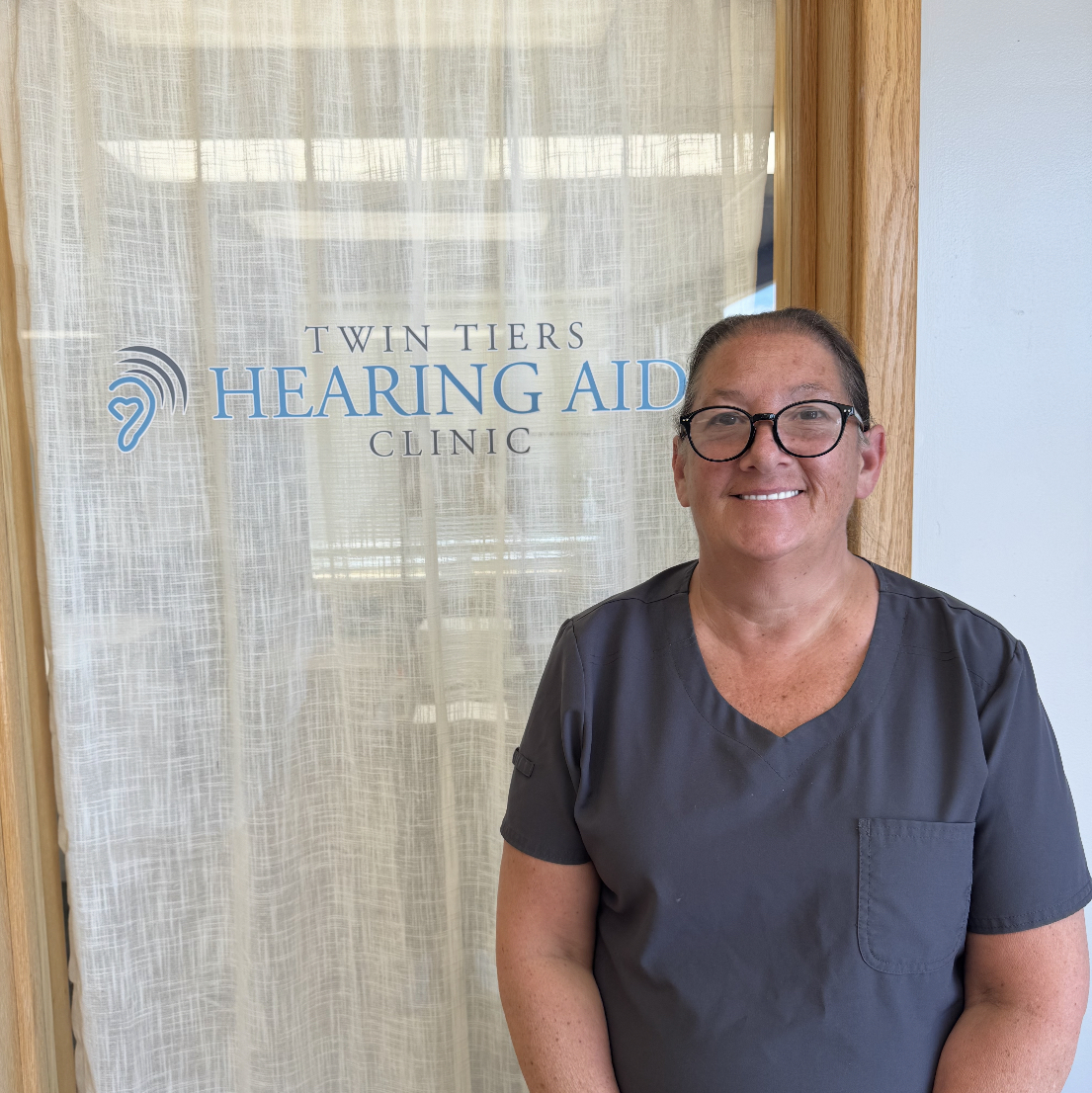
Lori is currently the patient care coordinator at Ear to Hear in Elmira, NY & has been with us since 2020. She is absolutely wonderful & enjoys talking with our current patients and getting to meet new ones!

Benjamin and Estelle have been coming to work since they were 12 weeks old. They love greeting patients with excitement, hoping for some attention in return. They love sitting on everyone's lap and getting pet. There have been many opportunities for Benjamin and Estelle to be a comfort to those patients who come into our clinics for the first time feeling nervous. The dogs give them a sense of calmness and make them feel more at home.
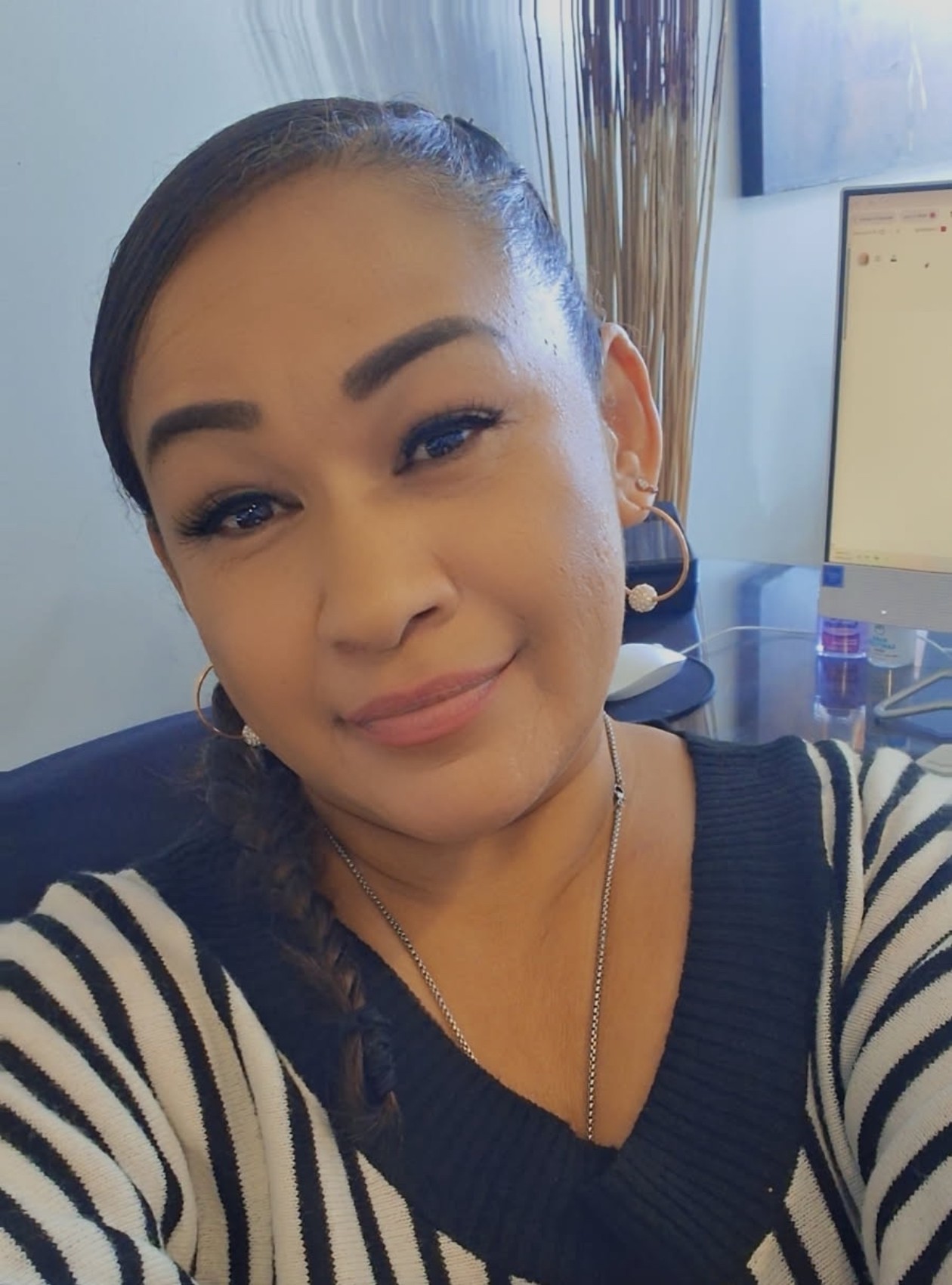
Linda had recently joined Twin Tiers Hearing Aid Clinic in our Corning, NY clinic. She is originally from El Paso, Texas and is new to the Southern Tier area. Linda has an extensive background working in the medical field as office support staff and is extremely welcoming, kind and efficient. When she is not at work, she enjoys the outdoor activities that our surrounding area has to offer and she is also looking forward to the change of seasons that the east coast brings us.

Megan has been part of the hearing care industry for the last several years and is the provider in our Corning, NY location. She is very compassionate and caring with our patents and enjoys what she does. Educating the community on hearing loss, cognitive health and tinnitus are a large part of what she does every day. When she is not working, she enjoys the outdoors and spending time with her family and two beautiful girls.
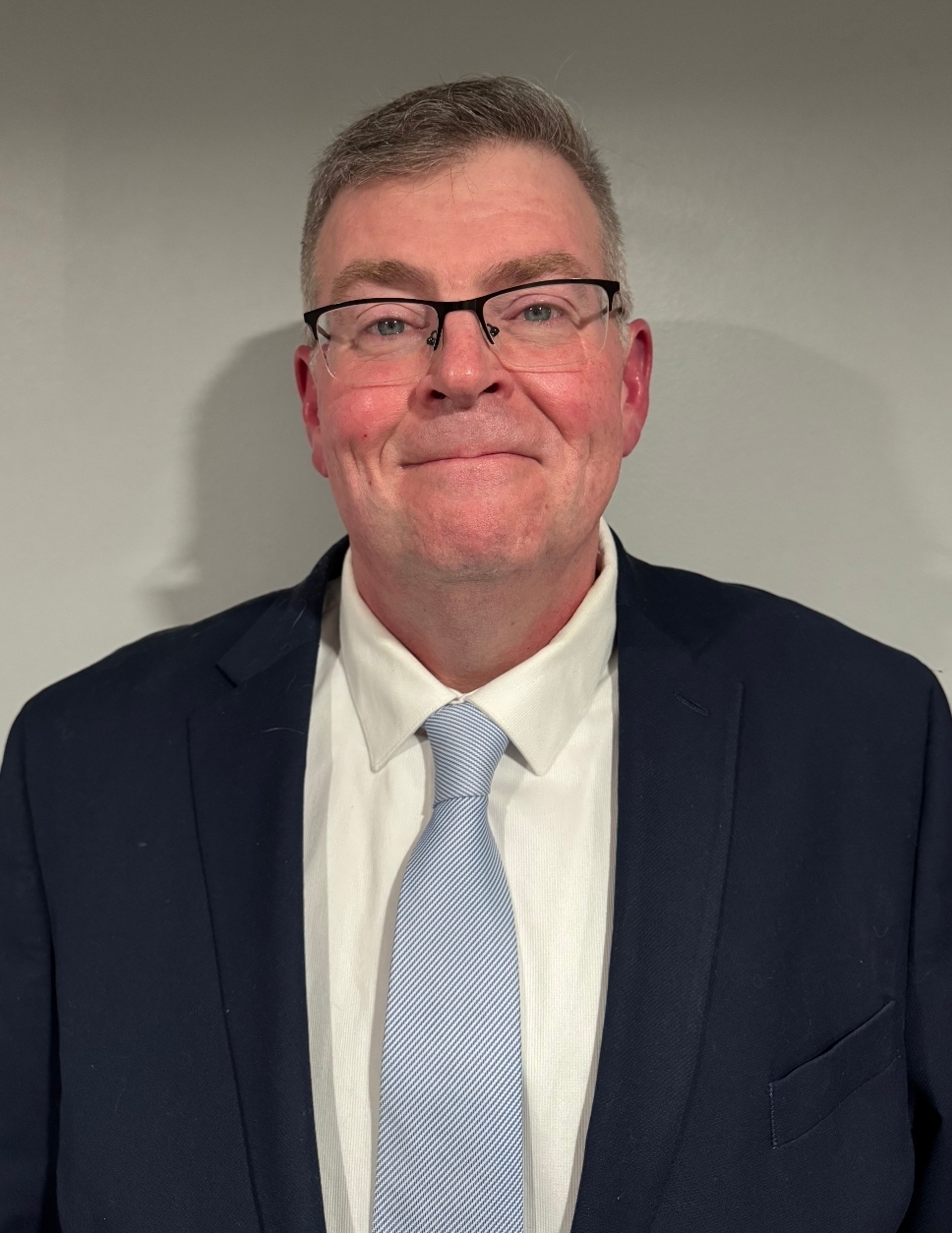
Sean is a Nationally Board-Certified Hearing Aid Dispenser licensed to practice in New York State. He has over 30 years of experience in audiometric testing, verification, and hearing aid fitting. Sean was raised in the hearing care industry with his family who owned and operated O'Brien's Hearing Center in Elmira, NY for over 40 years. Sean joined the staff of Twin Tiers Hearing Aid Clinic in 2025 so that he can focus on what he loves to do most, taking care of his patients. He is the main provider in our Elmira, NY clinic.
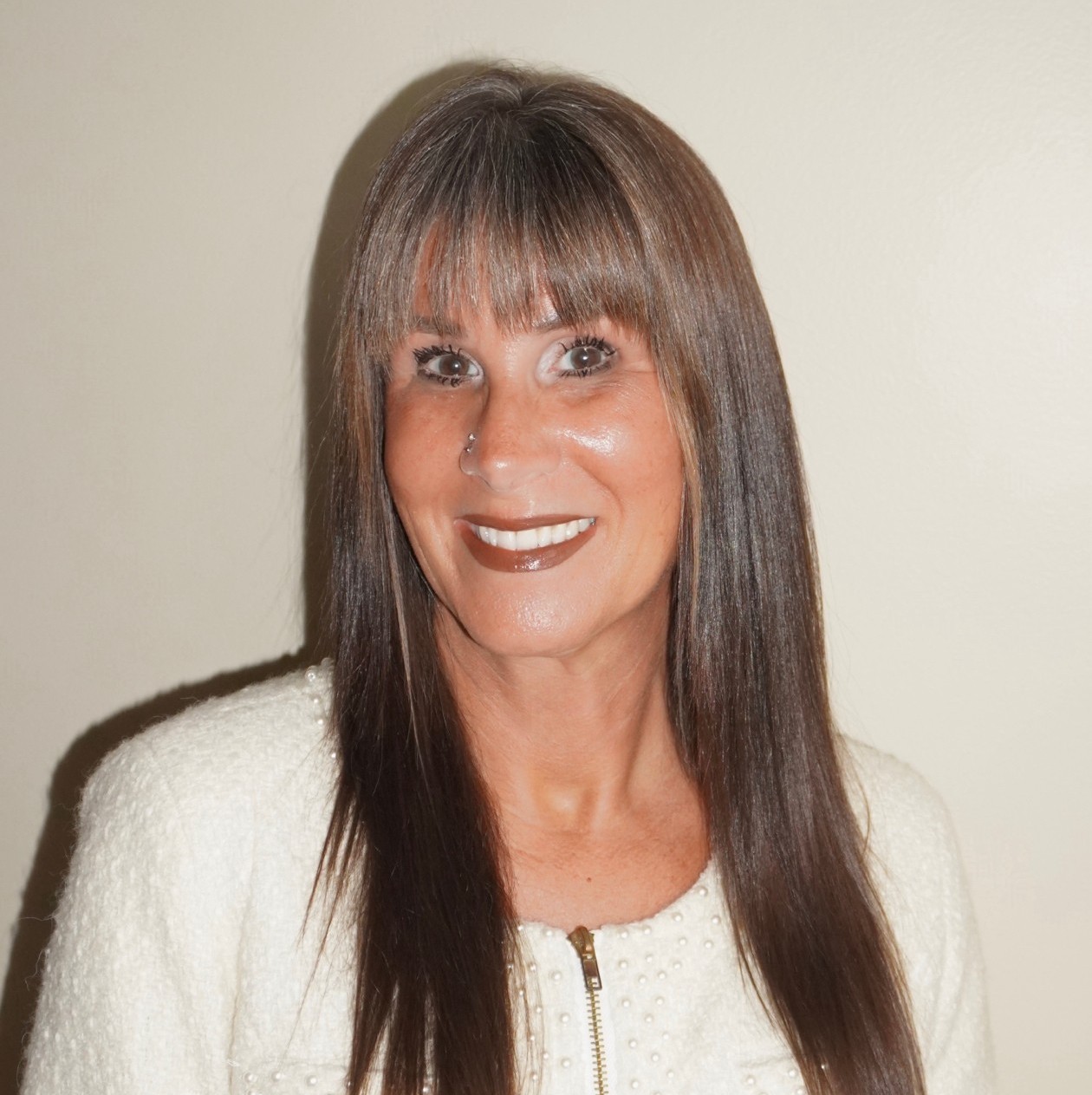
Adrienne is a Board-Certified NYS licensed hearing instrument specialist who started in the hearing health care industry as a PCC. She later became a provider and then eventually became a clinic owner. Adrienne opened Twin Tiers Hearing Aid Clinic in Corning, NY in 2021 with a second location in Elmira NY. She later acquired Ear to Hear located in Auburn and Geneva, NY and later added The Hearing Aid Shop in Bolivar NY. Adrienne is excited to bring her excellent service and patient centric care to her clinics. She feels that hearing is the pathway to many of life’s great connections, and she finds joy in helping others find those important connections again. Adrienne currently resides in Horseheads NY with her family and dogs.